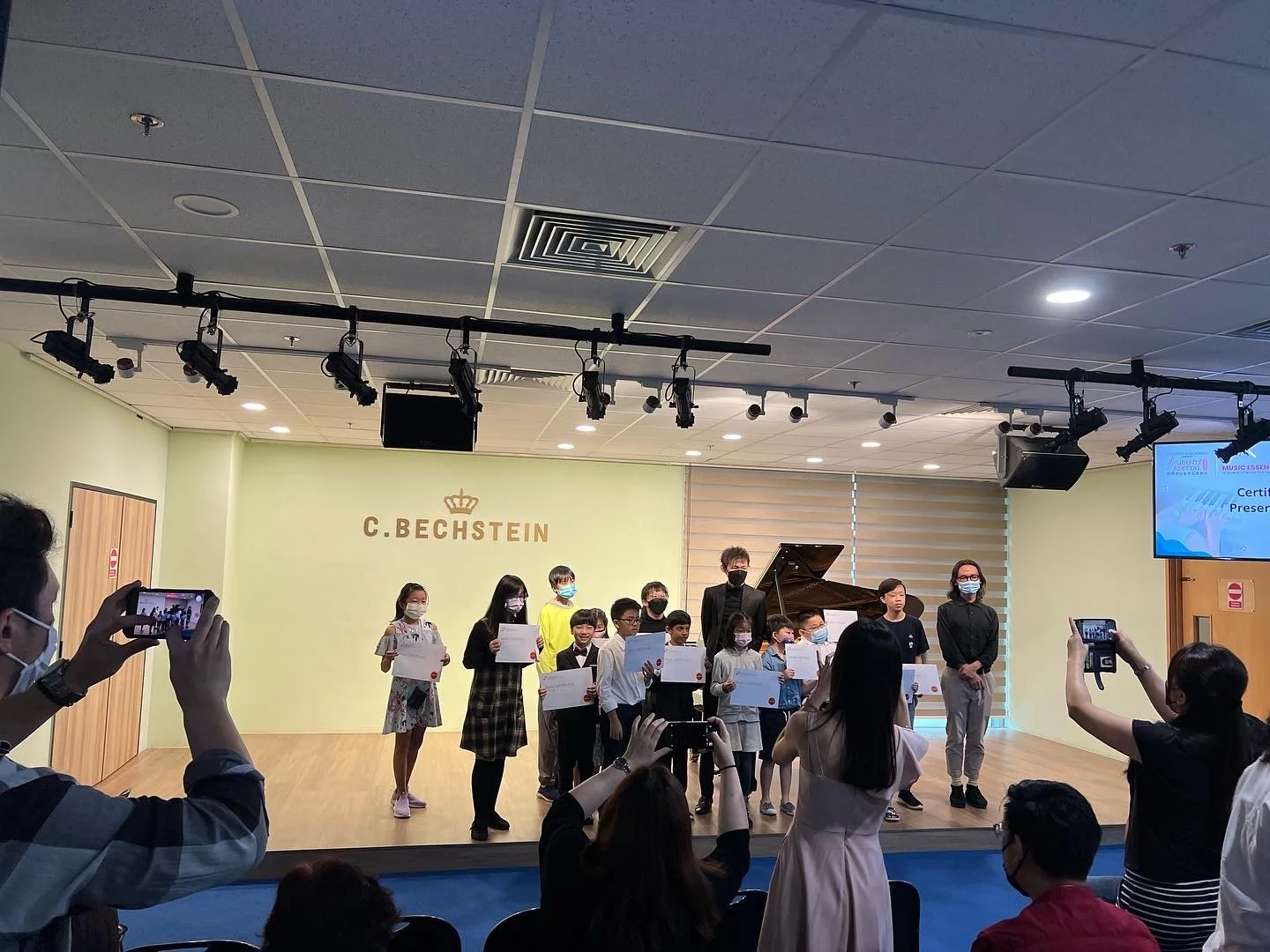
Piano Lessons In Tampines
By Mr Herman
Piano Licentiate (LTCL) ⢠10+ Years Teaching Experience ⢠ABRSM Preparation
Why Study at Herman Piano Studio
Mr Herman had over 100 piano video recordings on Youtube. His unique methodology to tackle all the technical challenges were honed over 10 years of piano playing.
This same methodology is then carried forward into the classroom where students are taught and showed exactly the very methods Mr Herman used in his practicing routine.
Taught by a dedicated principal teacher, lessons in Herman Piano Studio focus on building strong fundamentals, musical confidence, and long-term progress using principles from educational psychology.
Students are also guided to develop proper technique, accurate rhythm, expressive playing, and effective practice habitsāskills that support genuine musical growth. This has made the studio a trusted choice for families searching for a reliable piano teacher in Tampines.
A distinctive aspect of the studio is its single-teacher approach. All students are taught by the same principal teacher, allowing for continuity, consistency, and a clear understanding of each studentās development over time. This structure ensures that progress is closely monitored, teaching methods remain aligned, and students receive guidance that is both coherent and personalised throughout their learning journey.
Lessons covered include piano class for beginners, children and kids piano class, adult and teenager piano lessons. ABRSM Exam Grade 1 - 8 Piano classes and Music Theory Classes.
For those looking for piano lessons in Singapore or a committed piano teacher near Tampines, Herman Piano Studio provides a professional and personalised learning experience designed to help every student reach their full potential.
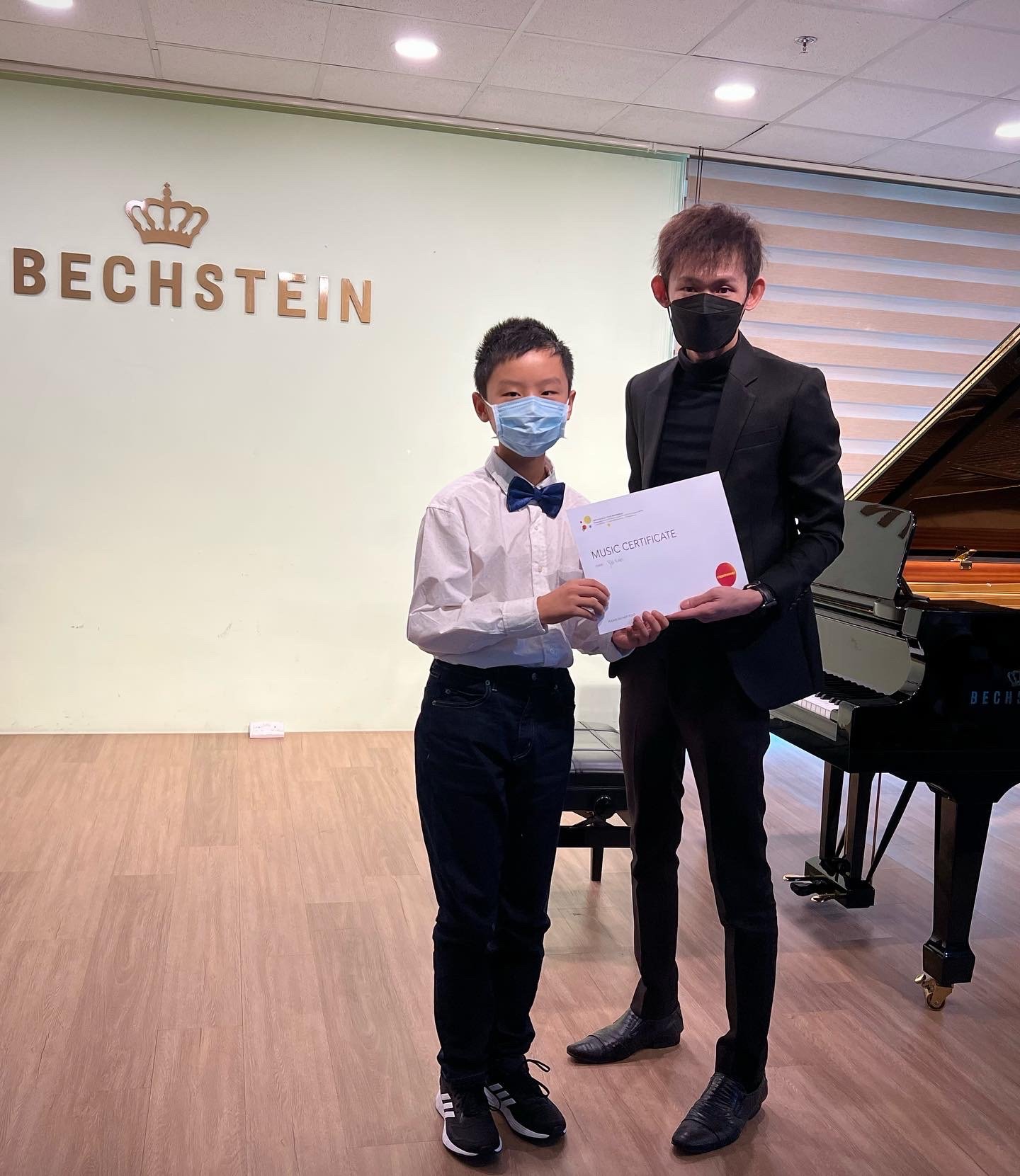
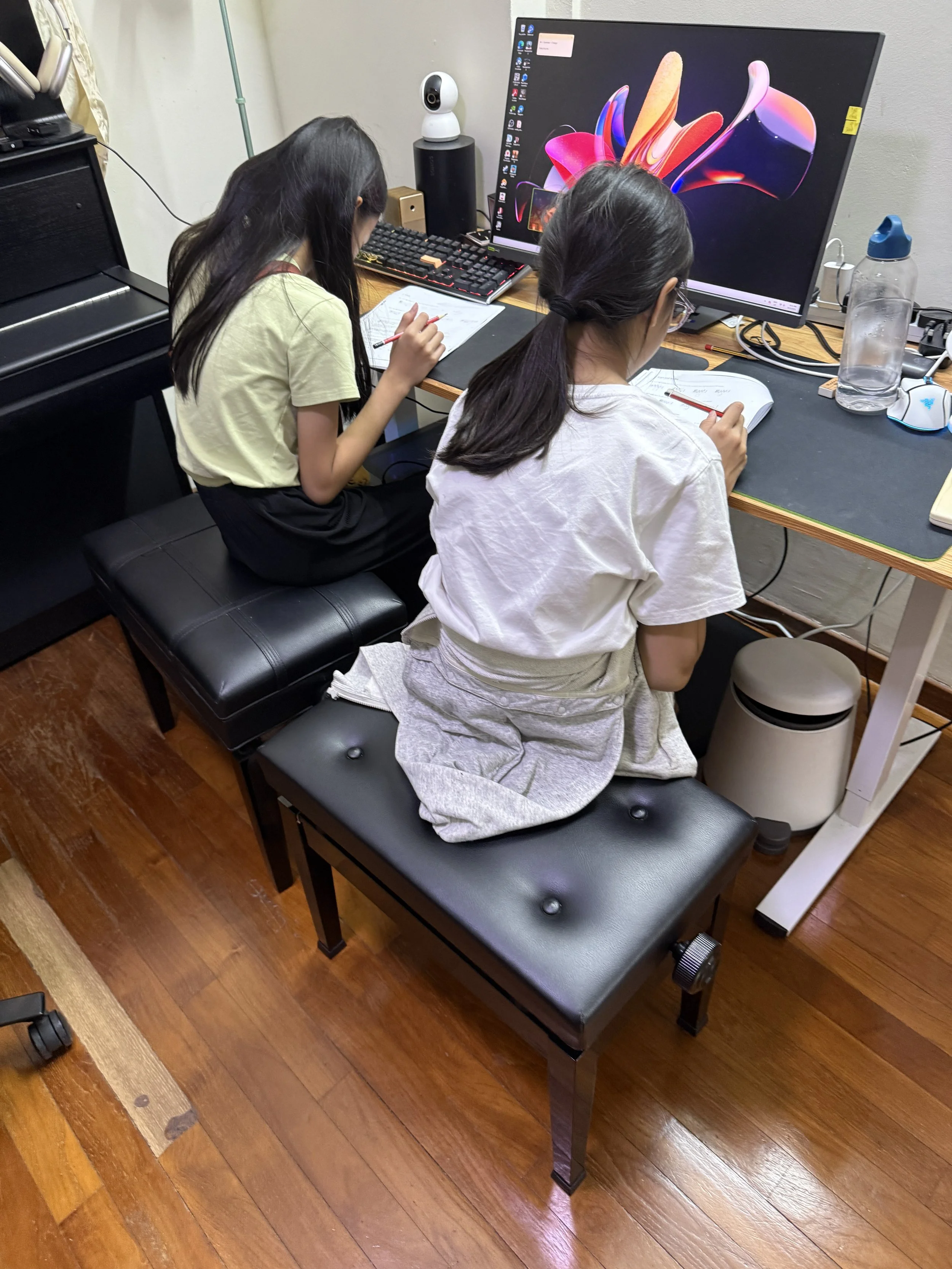
-Siblings Attending Piano Class At The Same Time
Piano Class Diploma ( Tampines )
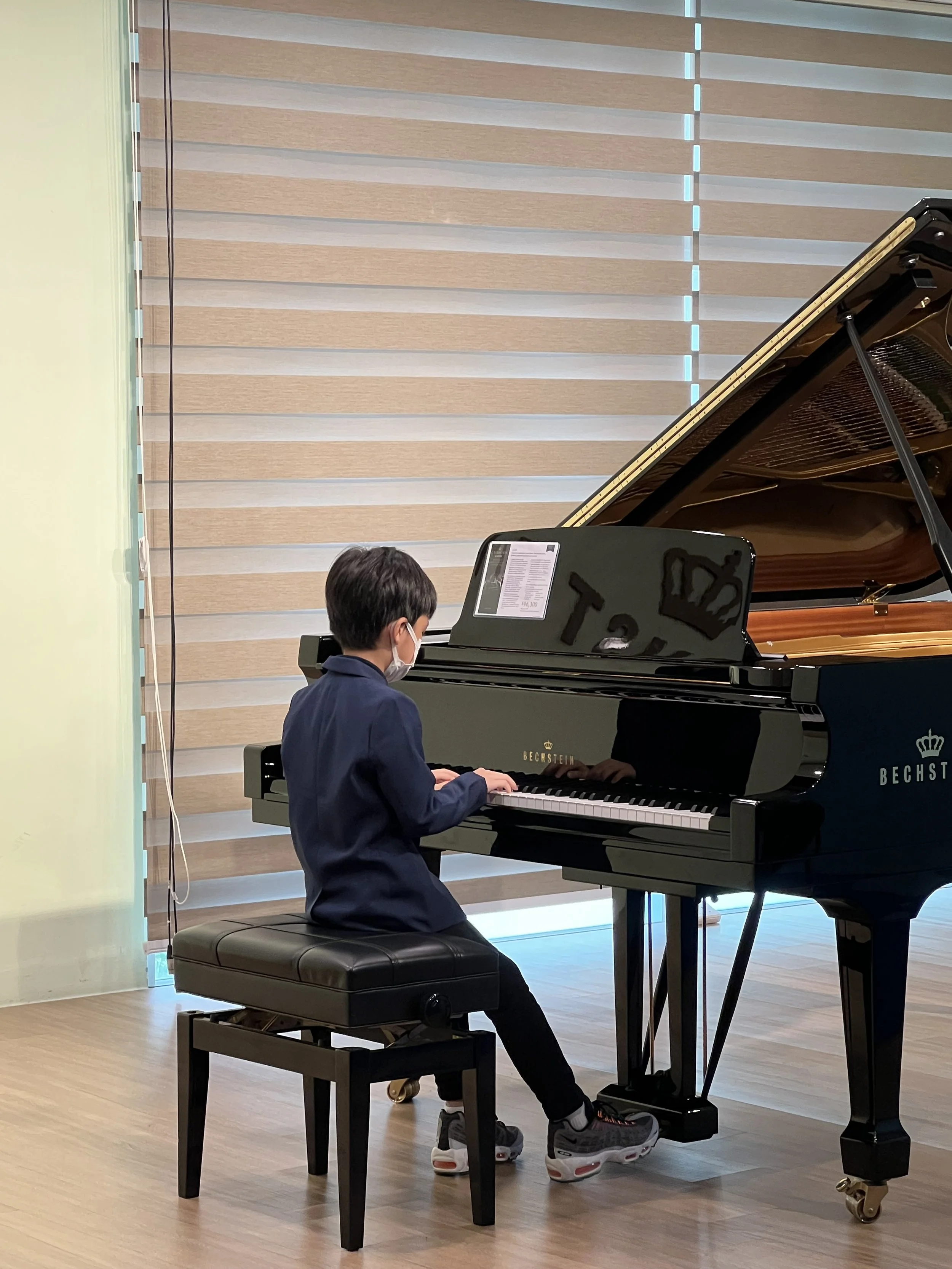
How To Put Together a 42Mins Repertoire as a Working Adult. This is a question that I find no enough has been said and the answers are surprisingly intricate and long. In this series, I wish to share every process that I have discovered and learnt along the way.
Over the years of preparing for my Licentiate Piano Exam, I have made many discoveries and experimentation at the piano. I have looked through many piano pedagogy literature to help myself to be where i am today.
and in this new series, I wish to use my Psychology background to break down and document
every single thought process that I had thus far. Things that are not often talked enough about... for example You are not a child prodigy , you do not graduate from a conservatory, how exactly do you put together a 42mins programme at a high level? A common response is " Just practice.." but what exactly do you do moment to moment during practice?
This are some of the questions that i have spent considerable braincells to ponder about
and i wish to share some of my findings to democratize this process.
if you like this type of content, please do like , comment and subscribe. This is work that i have
spent my whole adult life researching.
Debussy āLa fille aux cheveux de linā | ABRSM Grade 8 Piano (2025ā2026) List B1
Debussy ā Prelude āLa fille aux cheveux de linā (The Girl with the Flaxen Hair)
Claude Debussyās Prelude āLa fille aux cheveux de linā is one of the most beloved pieces in the piano repertoire, widely featured in ABRSM Grade 8 (2025ā2026) List B. Known for its simplicity, warmth, and expressive beauty, this piece is an excellent choice for students preparing for higher-level piano exams or refining their musical sensitivity.
A Gentle Introduction to Impressionist Piano Music
Composed by French composer Claude Debussy, this prelude is part of PrƩludes, Book I. Unlike many technically demanding pieces, La fille aux cheveux de lin focuses on tone control, phrasing, and musical expression rather than virtuosity.
For students taking piano lessons in Singapore, this piece provides an ideal opportunity to explore:
Expressive melodic playing
Voicing and balance between hands
Pedalling control for tonal colour
Sensitive phrasing and musical storytelling
Why This Piece Is Important for Piano Students
At the ABRSM Grade 8 level, students are expected to move beyond notes and rhythms into deeper musical interpretation. This piece trains essential skills such as:
Producing a warm, singing tone
Shaping long lyrical phrases
Controlling dynamics with subtlety
Developing artistic awareness
These are key foundations for students progressing towards advanced piano repertoire and diploma-level playing.
Musical Character and Interpretation
La fille aux cheveux de lin translates to āThe Girl with the Flaxen Hairā, inspired by a pastoral poem. The music reflects a sense of calm, innocence, and natural beauty.
When learning this piece, students should aim to:
Create a floating, relaxed sound
Avoid harsh accents or overly heavy touch
Maintain a steady, flowing tempo
Use pedal carefully to enhanceānot blurāthe harmony
Learn This Piece at Herman Piano Studio
At Herman Piano Studio, we guide students through structured piano lessons for beginners to advanced levels, including ABRSM exam preparation.
If you are preparing for Grade 8 piano or looking to improve your interpretation skills, this piece is an excellent addition to your repertoire. Our lessons focus on:
Clear technique and efficient practice methods
Musical understanding and stylistic awareness
Exam strategies for ABRSM success
Looking for Piano Lessons in Singapore?
Whether you are a parent searching for piano lessons for children, or a student preparing for exams, we provide personalised guidance to help you improve confidently.
š Contact Herman Piano Studio today to start your piano learning journey.
Piano Videos And Tutorials
Inspiring the next generation of pianists in Singapore
Feeling nervous before a piano exam? Discover practical piano exam preparation strategies to help students build confidence, stay calm under pressure, and perform more confidently during exams.
Confused between live piano exams and recording exams? Learn the pros, cons, stress factors, and best options for piano students and parents in this practical guide by Herman Piano Studio Singapore.
Why do piano scores use Italian words like allegro and forte? Learn the simple history behind musical terms and what they mean for beginners.
Flat vs curved fingers in piano explained simply. Learn when to use each for better tone, control, and musical expression. Beginner-friendly guide.
Blog
Piano Articles Addressing Various Pedagogy And Technique
Product Description
Piano Exam Practice Checklist (6-Month Plan)
Turn āI can play itā into a confident exam performance
Most piano students reach a point where they can play their piece from beginning to end.
But then⦠progress slows down.
Mistakes keep coming back.
Weak sections donāt improve.
And the piece never feels truly āreadyā.
This is exactly where most students get stuck.
ā What This Printable Helps You Do
This A4 Piano Practice Checklist gives you a clear, step-by-step system to:
ā Fix weak sections properly
ā Practise with purpose (not just repeat)
ā Build consistency and control
ā Improve sound, not just accuracy
ā Prepare confidently for your exam
Instead of guessing what to practise, youāll know exactly what to do every day.
šÆ Designed for Real Students (ABRSM-Focused)
Perfect for:
Students preparing for ABRSM exams (Grades 1ā8)
Intermediate learners who can already play their pieces
Parents who want structured guidance at home
š Whatās Inside the Poster
š§ Simple Mindset Shift
Learn what to focus on after you can already play the piece
š
6-Month Practice Roadmap
Know exactly what to do from now until exam day
š Daily Practice Tools (Step-by-Step)
Clear methods you can rotate ā no confusion
ā ļø Common Mistakes to Avoid
Prevent your piece from getting worse
šÆ Weekly Practice Plan + Daily Checklist
Stay consistent and on track
š” Why This Works
Most students fail not because they lack talent ā
but because they donāt know how to practise after learning the notes.
This checklist fixes that.
It gives you a simple system used by experienced teachers to turn:
š ājust playableā
into
š confident, exam-ready performance
šØļø Product Details
Format: Printable PDF (A4 size)
Style: Hand-drawn pastel educational infographic
Perfect for: Practice room / piano corner / lesson use
š Bonus: Learn the Full Strategy
Want the full step-by-step explanation behind this checklist?
š Read the full guide here:
How to Practise a Piano Piece After You Can Already Play It (6-Month Plan)
š Download now and start practising with a clear plan today
Note: Customers will receive a secure link to the file lasting 24 hours after the first download.
Product Description
Struggling to explain sonata form to your child or students?
Youāre not alone.
Many beginners can play the notes⦠but donāt truly understand the structure behind the music.
This beautifully designed A4 printable poster breaks down sonata form into a clear, visual, and exam-focused guideāmaking it easy for students to see, understand, and remember.
ā
What This Poster Helps With
ā Understand Exposition, Development, Recapitulation at a glance
ā Recognise sonata form in ABRSM listening and exams
ā Build stronger musical understanding and confidence
ā Support home practice and revision
šÆ Perfect For
⢠Beginner to intermediate piano students
⢠ABRSM Grade 5ā8 learners
⢠Parents supporting music learning at home
⢠Piano teachers who want a ready-to-use teaching visual
šØ Why This Works
Unlike dense theory books, this poster uses:
⨠Simple explanations (no confusing jargon)
⨠Clear visual structure students can follow
⨠Exam-relevant points that actually matter
⨠A calm, engaging design students will want to look at
Note: Customers receive a secure link to the file lasting 24 hours after the first download.
Product Description
This printable A4 poster is designed to help parents and students clearly understand why rhythm problems happen and exactly how to fix them using a proven step-by-step method.
Based on real piano teaching experience and aligned with performance expectations, this guide introduces:
ā The Pulse Anchor Practice Method
ā A simple, structured way to build steady rhythm and timing control
ā Clear visuals that children can easily follow and apply
Unlike traditional text-heavy instructions, this poster turns complex musical concepts into simple, visual steps your child can actually use during practice.
Note: Customers receive a secure link to the file lasting 24 hours after the first download.
Product Description
Struggling to know which Beethoven sonata to learn next?
This beautifully illustrated poster gives you a clear, structured roadmap through all 32 Beethoven piano sonatas ā from beginner-friendly works to concert-level masterpieces.
Designed for:
⢠Piano students (beginner ā advanced)
⢠Teachers planning repertoire
⢠Parents supporting musical progress
⢠Music studios & classrooms
Note: Customers receive a secure link to the file lasting 24 hours after the first download.
Disclaimer:
- Some A.I was used in the production of the poster.
- Poster includes a watermark āHerman Piano Studioā at the bottom of the 2nd page of the poster.
-You are free to use the poster for your own teaching. Do not resell PDF. Any reference to this PDF will require you to credit www.hermanpianostudio.com
- Any expired links will require you to repurchase the PDF.
Shop
Various Printables For Sale
Materials Used In Class
Click on the thumbnail to purchase onlineā¦
Todayās topic is: Mental Health and Tempo Choice.
And through this new series, I hope to use my background in Psychology to break down and document every single thought process that shaped my own journey in preparing for this exam as a normal human being ā not a child prodigy with 8 hours to spare.
If this type of content interests you, do consider liking, commenting, and subscribing.
This is work that I have spent my whole adult life researching, refining, and living through personally.
Todayās topic is: Mental Health and Tempo Choice. Letās begin.
Like many adults working towards this level of piano playing, you may find yourself aspiring to perform everything perfectly from memory, from beginning to end, just like the competition winners you see on YouTube.
But sooner or later, you begin to realise just how unbelievably difficult that task truly is ā especially as a working adult balancing responsibilities, work, and family.
And at some stage, you must learn to tell yourself:
āThis performance is good enough for now.ā
Do not let the perfectionist in you burn you out.
You can be strict with yourself. But you must also realise that it is unrealistic to play perfectly 24/7.
You are bound to make mistakes, and it is okay. After all, you are playing some of the most difficult works in music history.
You must remember: it is better to consistently play at 60% speed with good control than to risk burning out chasing perfection at 100% speed.
Because if you are burnt out, you will give up.
And Rule #1 is:
Do not give up.