Is Hanon The Virtuoso Pianist Worth It? A Complete Review for Piano Students and Beginners
Introduction
Many piano students face a common frustration:
👉 “My fingers feel slow, weak, or uneven—no matter how much I practise.”
Parents often notice:
Their child struggles with finger control
Scales sound uneven
Fast passages break down easily
Even for students taking piano lessons for beginners, this issue appears very early—and if not addressed properly, it can slow down long-term progress.
This is where one of the most famous technical books comes in:
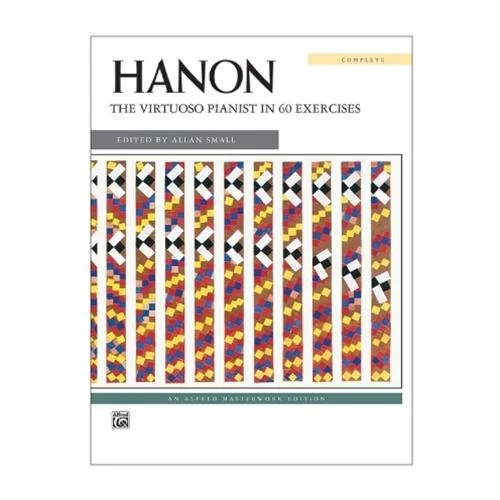
Hanon: The Virtuoso Pianist in 60 Exercises
But the real question is:
👉 Is Hanon actually effective—or outdated and overused?
In this article, we’ll provide a complete, honest review to help you decide if it’s the right tool for your piano journey.
Product Overview
What It Is
A classic technical exercise book designed to develop:
Finger strength
Independence
Speed
Evenness
Who It Is For
Beginner to intermediate piano students
Students preparing for exams (e.g. ABRSM)
Anyone looking to improve finger technique
Key Features
60 progressive exercises
Simple, repetitive patterns
Focus on all five fingers
Can be practised in all keys
Why This Book Matters for Piano Learning
Many students focus only on pieces—but neglect technical foundation.
This leads to:
Uneven playing
Tension in hands
Difficulty with fast passages
Hanon directly targets these problems.
From a teaching perspective, it helps students:
Build finger control (especially weaker fingers like 4th and 5th)
Develop consistent tone quality
Improve coordination between hands
For students preparing for exams, strong technique makes:
Scales easier
Sight reading more stable
Pieces more controlled
👉 In short: Technique is the engine behind musical playing—and Hanon trains that engine.
Detailed Review
1. Build Quality
The edition of Hanon is:
Clearly printed
Easy to read
Well spaced for practice
The layout is simple—no distractions, just exercises.
This is ideal for students who need focus and clarity.
2. Ease of Use
One of Hanon’s biggest strengths:
👉 It is extremely straightforward.
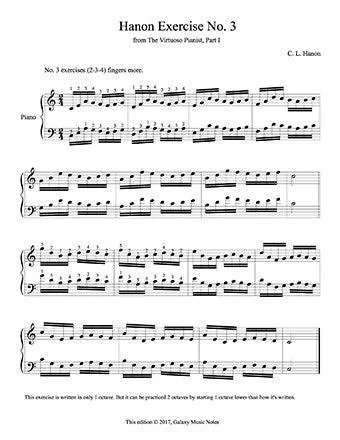
Each exercise:
Uses repetitive patterns
Is easy to memorise
Can be practised daily
Even beginners can start with:
Slow tempo
Hands separately
However, without guidance, students may:
Practise mechanically
Ignore musical quality
3. Performance in Real Practice
This is where Hanon becomes powerful—if used correctly.
From real teaching experience:
When students practise Hanon properly:
Finger strength improves within 2–4 weeks
Playing becomes more even
Fast passages feel more controlled
But when used incorrectly:
Students become stiff
Playing sounds robotic
Tension develops
👉 The difference is how you practise—not the book itself.
4. Design & Practicality
Hanon is intentionally minimal:
No complicated theory
No long explanations
Just exercises
This makes it:
Easy to include in daily practice (5–10 minutes)
Suitable as a warm-up routine
However:
It lacks musical context
It can feel repetitive for younger students
5. Value for Money
Hanon is:
Affordable
Long-lasting (can be used for years)
Compared to many modern method books:
👉 It delivers very high value for technical training at a low cost
Pros and Cons
✅ Pros
Builds strong finger technique
Improves speed and control
Simple and easy to follow
Suitable for daily warm-ups
Affordable and widely available
❌ Cons
Can feel boring if overused
No musical context
Risk of poor technique if unsupervised
Not suitable as the only practice material
Who Should Buy This
✔️ Ideal For
Students with weak finger control
Beginners developing technique
Exam students (ABRSM Grades 1–8)
Serious learners who want structured improvement
❌ Not Ideal For
Very young children (may lose interest quickly)
Students who already have strong technique
Those looking for musical or creative pieces
Comparison with Alternatives
Hanon vs Modern Technique Books
Hanon
Focus: pure finger strength
Style: repetitive patterns
Strength: discipline and control
Modern books (e.g. contemporary technique series)
More musical
More engaging
Less focused on raw finger strength
👉 Best approach:
Use Hanon together with pieces and scales, not as a replacement.
Final Verdict
So—is Hanon worth it?
👉 Yes, but only if used correctly.
It is not:
A magic solution
A complete method
But it is:
A powerful technical tool
A proven system used for decades
From a piano teacher’s perspective in Singapore:
👉 Students who use Hanon properly often show faster technical improvement and greater control.
If you are looking to strengthen your technique and improve your piano practice efficiency, you can check out Hanon: The Virtuoso Pianist in 60 Exercises here and see if it fits your learning goals.
Affiliate Disclaimer
This article may contain affiliate links. If you purchase through these links, we may earn a small commission at no extra cost to you.
