Nikko Mechanical Metronome Review: A Reliable Practice Tool for Serious Piano Students
Buy Here Via Shoppee : https://s.shopee.sg/4VYDy63vs0
Introduction
This post contains affiliate links. I may earn a small commission at no extra cost to you.
If you are serious about improving your piano playing, one tool you simply cannot ignore is the metronome.
Whether you are a beginner learning your first scales or an advanced student preparing for ABRSM exams, a metronome helps develop steady rhythm, control, and consistency—all essential for musical growth.
In this review, we will take a closer look at the Nikko Mechanical Metronome, a classic, affordable, and highly practical option for piano students and teachers. We will explore its design, features, pros and cons, and whether it is worth adding to your practice setup.
First Impressions: Classic Design with Modern Appeal
The Nikko metronome follows the traditional pyramid-shaped design, similar to what you would see in professional music studios.
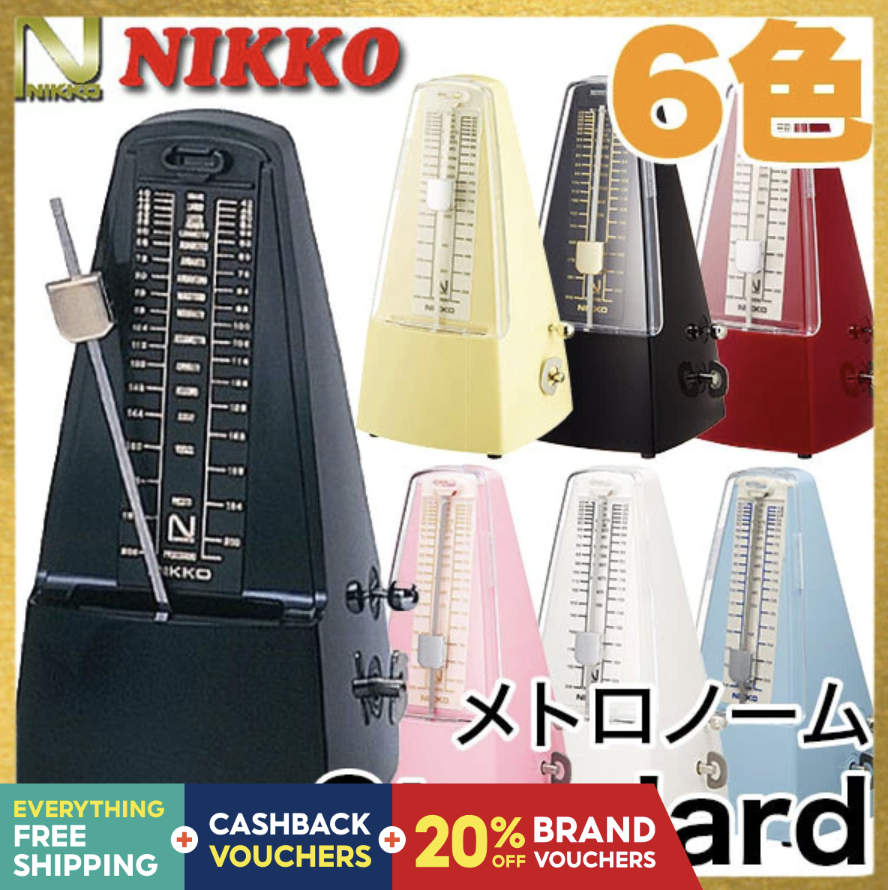
What stands out immediately is the variety of colors available:
Classic black (professional and understated)
Cream / ivory (warm and vintage)
Red (bold and eye-catching)
Pastel tones like pink and blue (great for younger students)
This makes it not just a functional tool, but also something that can fit aesthetically into your piano setup or teaching studio.
Build Quality: Simple, Durable, and Reliable
One of the biggest advantages of a mechanical metronome like this is durability.
Unlike digital metronomes or apps, the Nikko metronome:
Does not require batteries
Has fewer electronic components that can fail
Uses a wind-up mechanism that is built to last
The casing feels solid, and the internal mechanism produces a consistent and clear ticking sound that is easy to follow during practice.
For piano teachers running a studio like Herman Piano Studio, this reliability is extremely valuable—no interruptions during lessons due to battery issues or device distractions.
Features: Everything You Need (and Nothing You Don’t)
The Nikko mechanical metronome is intentionally simple, but it covers all essential functions.
Tempo Range
Typically ranges from 40 to 208 BPM
Suitable for:
Slow practice (e.g. scales, sight-reading)
Moderate tempo work
Fast passages (e.g. exam pieces, technical drills)
Adjustable Beat Settings
Includes accented beats (bell function) for:
2/4
3/4
4/4
6/8
This is particularly helpful for students who are still learning to feel strong vs weak beats.
Pendulum Visual Feedback
The swinging pendulum provides a visual guide, which is incredibly useful for:
Younger students
Beginners struggling with rhythm
Developing internal pulse
This is something digital metronomes often lack.
Why Mechanical Metronomes Still Matter
In today’s world, many students rely on apps. However, a mechanical metronome like Nikko offers several advantages:
1. Focused Practice (No Distractions)
Using your phone as a metronome can easily lead to:
Notifications
Social media distractions
Loss of focus
A physical metronome keeps your practice intentional and distraction-free.
2. Stronger Sense of Pulse
The physical motion of the pendulum helps students internalise rhythm more naturally compared to a digital beep.
3. Better Discipline
Winding the metronome and setting the tempo creates a ritual of practice, reinforcing discipline and consistency.
Sound Quality: Clear and Musical
The ticking sound of the Nikko metronome is:
Clear and audible over an acoustic piano
Not overly harsh or distracting
Consistent in timing
The optional bell accent helps emphasise the first beat of each bar, which is extremely useful when learning pieces with strong rhythmic structure.
For teachers, this also makes it easier to demonstrate rhythm during lessons.
Who Is This Metronome For?
This metronome is suitable for a wide range of users:
Beginners
Helps establish basic rhythm skills
Visual pendulum aids understanding
Intermediate Students
Essential for improving accuracy in pieces
Useful for exam preparation (e.g. ABRSM)
Advanced Players
Ideal for slow practice and refining control
Supports precision work in difficult passages
Teachers
Reliable tool for lessons
No dependency on devices or apps
Pros and Cons
Pros
✔ No batteries required
✔ Durable and long-lasting
✔ Clear ticking sound
✔ Visual pendulum improves rhythm learning
✔ Variety of attractive colors
✔ Simple and easy to use
Cons
✖ Not portable compared to phone apps
✖ Requires manual winding
✖ No advanced features (e.g. subdivisions, custom rhythms)
Where to Buy (Affiliate Link)
If you are interested in getting this metronome, you can check it out here:
👉 https://s.shopee.sg/4VYDy63vs0
(As an affiliate, I may earn a small commission at no extra cost to you. This helps support the creation of educational content.)
Final Verdict: Should You Buy the Nikko Metronome?
The Nikko Mechanical Metronome is a simple, reliable, and highly effective practice tool.
While it may not have the advanced features of digital metronomes, it excels in what truly matters:
Developing a strong sense of rhythm
Encouraging focused practice
Providing a distraction-free learning environment
For piano students—especially those preparing for exams or serious improvement—this is not just a useful accessory. It is a foundational tool.
Recommended Use (Teacher’s Tip)
As a piano teacher, I recommend using the metronome in this way:
Start practice at a slow tempo
Ensure accuracy and control
Gradually increase speed (5–10 BPM at a time)
Use the metronome regularly—not just occasionally
Consistency is key. A metronome is only effective if it becomes part of your daily practice routine.
